Good Neighbors
From nourishment to hope, these Central Minnesota Good Neighbor Honorees help people in times of need
By Lisa Meyers McClintick
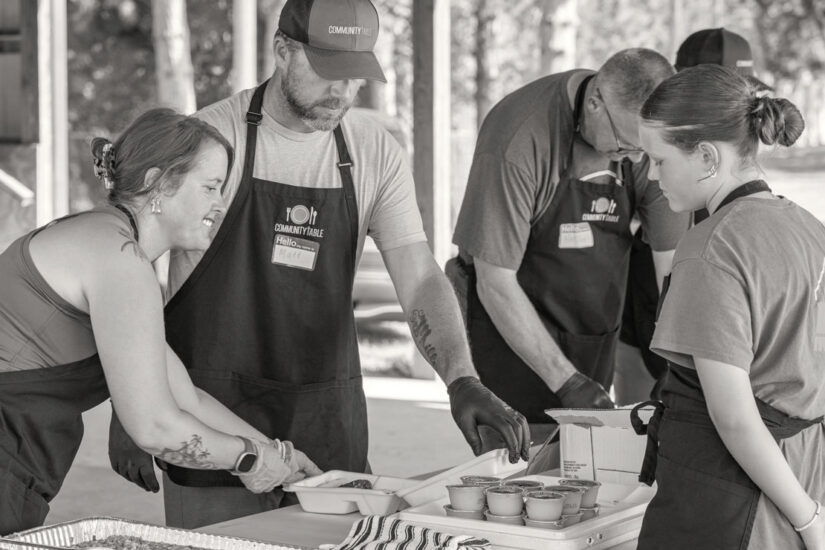
Some neighbors found help putting food on the table. Others found someone willing to fight for their rights, deliver a hot meal or create a place where they could gather, belong and be supported.
Across Central Minnesota, acts of service are changing lives. From advocating for immigrant families and workers to expanding food access, strengthening community connections and supporting rural seniors, three individuals and one organization are helping neighbors navigate challenges and build stronger communities.
This year, the Initiative Foundation recognized that work through its Good Neighbor Honor, part of its yearlong 40th anniversary celebration with events in Big Lake, Braham, Foley and Nisswa. The honor recognizes people whose character and actions embody what it means to care for a place and the people who call it home. Each honoree received a $5,000 grant to support work that continues to strengthen communities across the 14 counties and two Native nations of Central Minnesota.
Here’s a look at the people and programs behind the impact.
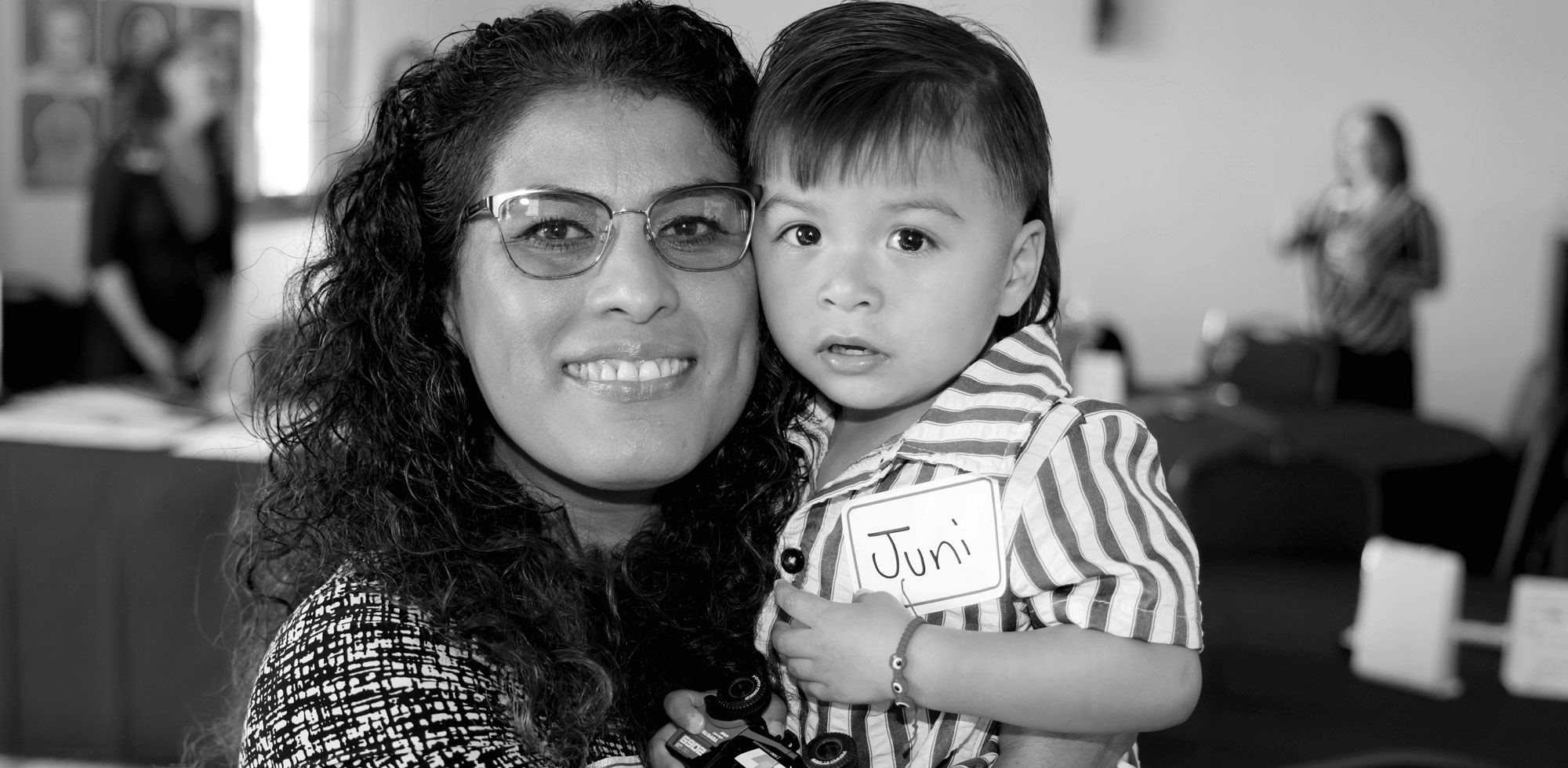
Ma Elena Gutierrez, Fe y Justicia (Faith and Justice)
Ma Elena Gutierrez knows firsthand what it means to navigate a new country with limited resources, language barriers and uncertainty about the future.
After immigrating from Mexico with her family in 1996, she experienced many of the challenges immigrant families encounter while building new lives. Those experiences eventually led her to found Fe y Justicia (Faith and Justice), a nonprofit that advocates for families and workers while helping community members find resources, understand their rights and develop as leaders.
“Fe y Justicia … brings compassion and support to our com- munity,” Gutierrez said. “Our main mission is to develop leaders in the community to stand up for themselves.”
Gutierrez grew up watching how hard her mother worked to support six children. Her family’s experiences in agriculture and hospitality, along with the discrimination and other obstacles they faced, helped shape Gutierrez’s commitment to advocacy.
“I have felt this calling for a long time because I have the experience of being undocumented,” she said. “Many undocumented people pay taxes, work hard, contribute and invest in the community. I feel we have the right to stand up for ourselves.”
Since starting Fe y Justicia in 2020, Gutierrez has worked extensively with agricultural, meatpacking and poultry workers. The organization responds to concerns that include wage theft, exploitation, human trafficking and workplace safety while helping workers learn about available protections and resources.
That work begins at the community level. Through leadership training, community meetings and other outreach, Fe y Justicia encourages residents to become involved in addressing the issues affecting their families and workplaces. Its services have included legal clinics, know-your-rights workshops and mobile health clinics.
In 2025, Gutierrez was appointed to the Minnesota Council on Latino Affairs and named a Bush Fellow, a Bush Foundation distinction recognizing leaders with a record of creating meaningful community change.
The organization’s support network became especially important during a period of heightened uncertainty for new Americans and immigrant families in early 2026. More than 100 volunteers collected food, household supplies and donations, connected families with legal assistance and delivered necessities such as medicine and diapers to people who were staying home and missing work or school.
For Gutierrez, that willingness to respond is central to being a good neighbor.
“It’s good when you show up. If there is a crisis and you show up,” she said, “I think that is a good neighbor.”
The year also brought significant milestones. Fe y Justicia expanded into a St. Cloud office, continued growing its volunteer network and began putting down permanent roots in the community it serves. The organization’s new location is a place where families can seek help with paperwork and connect with legal, housing and other community resources.
Gutierrez accepted the Initiative Foundation’s Good Neighbor Honor on behalf of the people who have participated in meetings, training sessions, clinics and volunteer efforts.
“When I see the difference that we have made through the years, I realize none of it would [have happened] if we did not act, speak up and share our stories,” she said. “If we do not tell our history, future generations will not know what people went through to be successful, educate their children, buy homes and create better lives.”
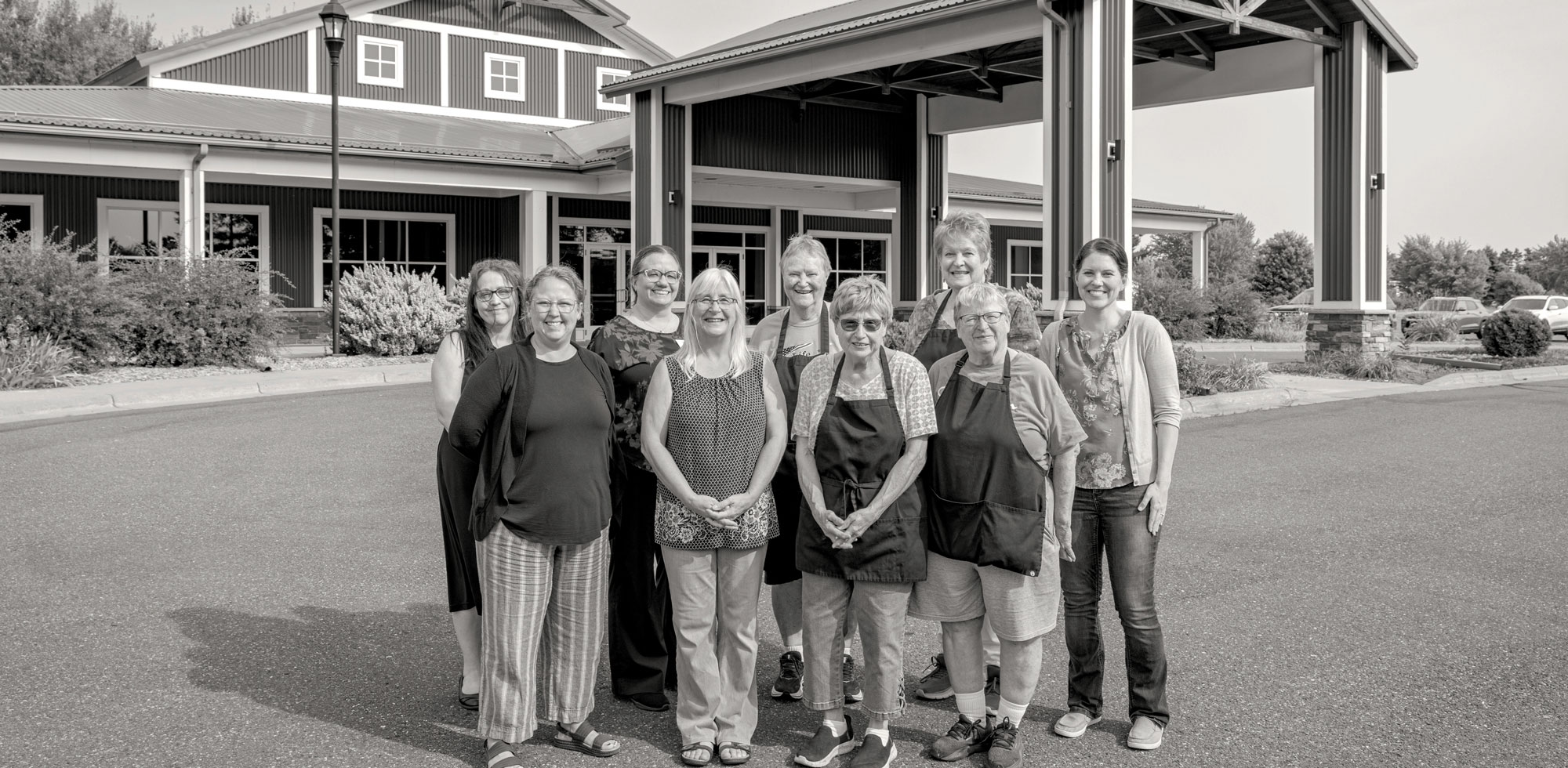
Volunteers at Tusen Tack
With its vibrant red exterior, crisp white trim and an expanse of windows big enough to make visitors feel like they’re outdoors, the Braham Event Center has become a popular destination for events and activities in east-central Minnesota.
But the building itself is only part of the story.
Behind the activity is Tusen Tack, a nonprofit organization powered by more than 200 volunteers whose fundraising and service efforts have supported residents for decades. From helping families recover after fires and medical crises to creating gathering spaces, food programs and educational opportunities, the group’s commitment to its neighbors earned it recognition as an Initiative Foundation Good Neighbor Honoree.
Depending on the day, instrumental music may accompany a couple down the aisle, or country music may coax people to join line dancing lessons. Calls of “Bingo!” and the clatter of dishes may be heard during game nights, pancake feeds and community dinners.
Visitors might even catch the lilt of Swedish language lessons. Fittingly, Tusen Tack means “a thousand thanks” in Swedish, a nod to the area’s heritage and the spirit that drives the organization.
“[Tusen Tack] was started by two ladies (Mae Nordeen and Lucy Nelson) who had an idea about starting a thrift shop,” said Patty Lind, a volunteer since 2010. The Tusen Tack Thrift Store, which opened in 1989, sells gently used donated goods to raise money for community needs.
The shop quickly outgrew its first and second locations and continued expanding while directing profits back into the community.
As Tusen Tack’s reach grew, so did ambitions for what the organization could accomplish. During a 2007 community visioning process, construction of a community center emerged as a top priority. Despite the lingering effects of a nationwide recession, the Tusen Tack board voted in 2009 to press forward. With support from the Initiative Foundation, including community visioning assistance and nearly $35,000 in grants, the community opened the 40,000-square-foot Braham Event Center in February 2014.
The project proved transformational. Today, the Braham Event Center hosts hundreds of events and welcomes thousands of guests annually. It’s also home to the food shelf, the Alice Studt Library and Kathy’s Kitchen. Named in honor of Lind’s late sister, Kathy’s Kitchen caters events while helping meet the community’s nutritional needs.
“[At Tusen Tack] we don’t have a really narrow focus on our mission,” said Lind, who joined her mother in volunteering and helping build what became the event center. “That gives us a wide range of things that we can help improve depending on what the needs are. The culture of Tusen Tack is one of generosity and community problem-solving.”
As the organization has grown, leaders have worked to ensure Tusen Tack remains sustainable well into the future. In September 2025, it hired its first executive director to help lead the nonprofit and support the volunteers who continue to practice the art of being good neighbors.
“I think Tusen Tack is deserving of a lot of thanks,” Lind said, “because it has created an organization that has more than 200 people aligned with it who have shown up to say, ‘I’m willing to help.’”
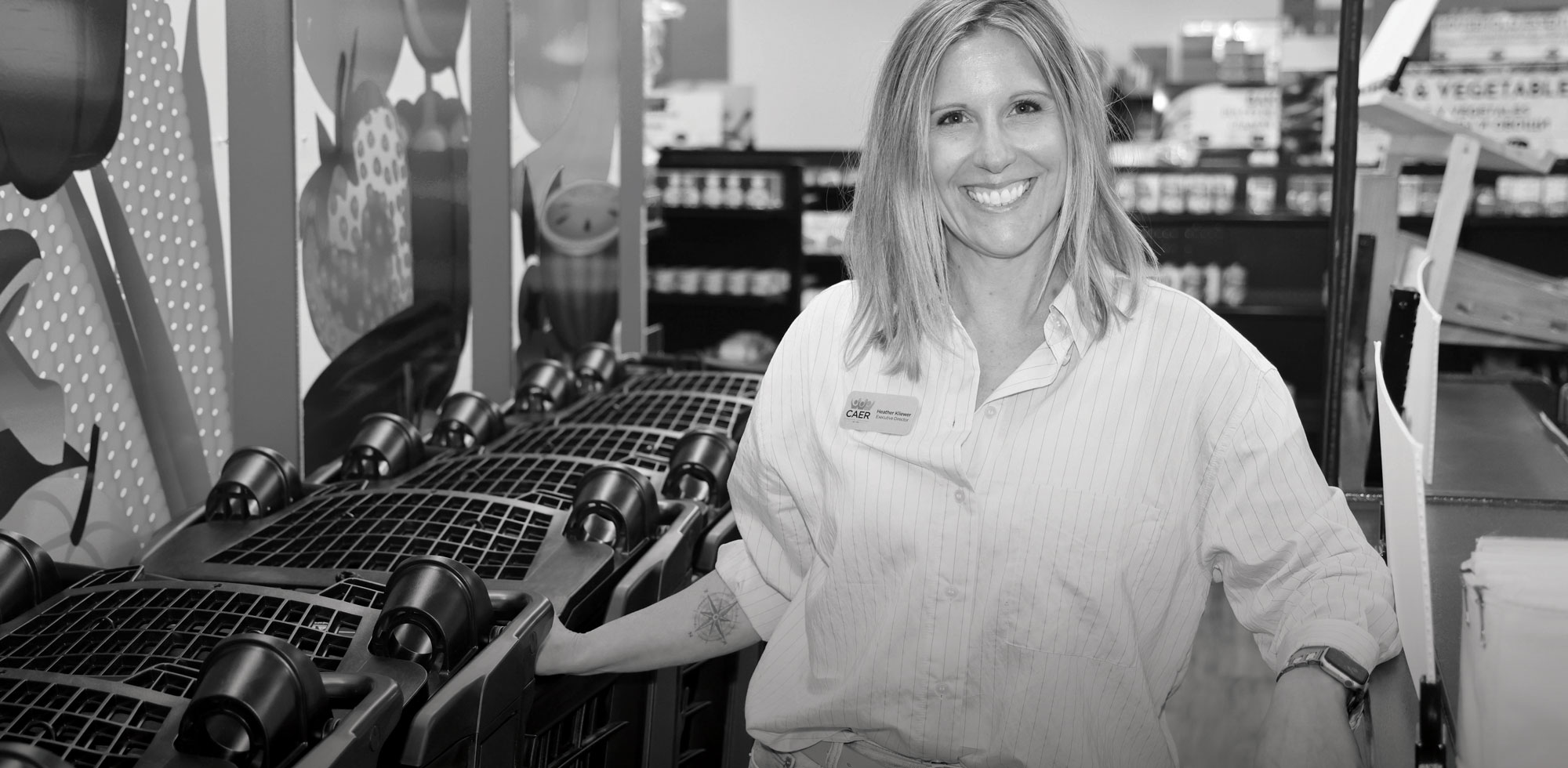
Heather Kliewer, Community Aid of Elk River
Volunteers and staff at Community Aid of Elk River (CAER) know it isn’t easy for some people to ask for help.
Heather Kliewer, the organization’s executive director, remembers one Friday afternoon when a young woman knocked on the door at 4 p.m. CAER had closed for the day. Nervous about visiting a food shelf for the first time, the woman confided that she desperately needed food for her children for the weekend.
The volunteers had gone home, yet Kliewer welcomed her in to shop and encouraged her to return the following week.
That small act reflects the culture Kliewer has worked to build at CAER, where volunteers strive to meet people with flexibility, compassion and dignity. The effort helped earn Kliewer recognition as an Initiative Foundation Good Neighbor Honoree.
“I see so many people come through who have a hesitancy to be here,” said Theresa Elveru, a volunteer and CAER board member. “They may be here for the first, second or third time, but they walk away feeling good because they’re treated with dignity and respect.”
When shoppers’ needs extend beyond food, CAER helps connect clients with assistance for rent, utilities, car repairs and other services that help keep families housed, employed and healthy.
Kliewer learned that lesson during her years as a volunteer before becoming executive director in 2019. Since taking the organization’s helm, she has overseen changes designed to make CAER more welcoming and accessible.
The organization expanded its parking lot to better serve bus riders and people with mobility challenges. Inside, the shopping area became more open and inviting, with bright colors, photos of fresh produce and signs in English, Spanish and Russian.
Under Kliewer’s leadership, CAER earned SuperShelf certification,
reflecting the organization’s commitment to treating clients more like shoppers than aid recipients. The model promotes a welcoming environment where people can choose foods that fit their family’s needs, preferences and cultural traditions.
Volunteers provide extra assistance for clients with mobility issues, dietary restrictions, language barriers or difficulty reading food labels. They also stock foods familiar to immigrant and refugee families, including fufu flour, sweet potato greens and spicy peppers.
The welcoming atmosphere extends beyond the pantry shelves. Greeters welcome visitors at the door, volunteers plant flowers outside, and an interactive whiteboard near the entrance poses questions such as, “What would your superpower be?”
As demand has grown in recent years, CAER has worked to expand its reach. Elveru said Kliewer has strengthened partnerships with food supplier Second Harvest Heartland, area farmers and grocery stores that donate soon-to-expire food.
“[Heather] has really had to take it to the next level in making sure there is enough food to distribute,” Elveru said.
That work depends on a large volunteer network. Around 30 volunteers may serve on a given day, drawing from a pool of roughly 120 who stock shelves, collect donations and support projects such as Kids Weekend CAER Packages during the summer months when children no longer have access to school meals.
“There have been so many cute stories where you hear, ‘Mom, we got pizza in the Kids Pack this week,’ or they’re hugging a mango they got in the kids pack,” Kliewer said.
Special treats also make their way into the packages, from s’mores ingredients around the Fourth of July to other surprises meant to brighten a child’s week.
Community Aid of Elk River is “truly a group effort,” Kliewer said. “The whole community comes together to make sure that we have what we need here, and we’re so excited that we can be recognized for that.”
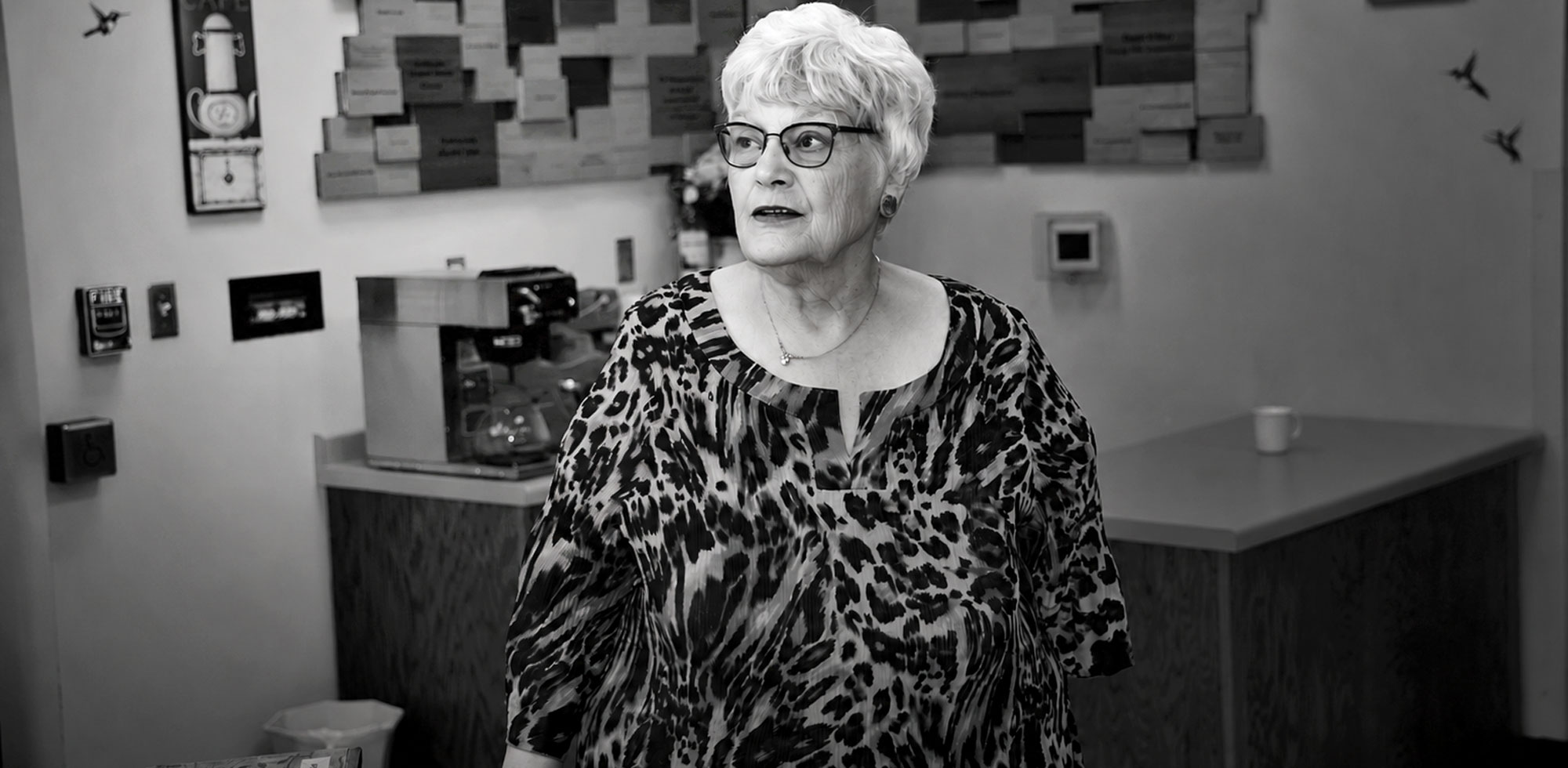
Verna Toenyan, Senior organizer, Hilltop Regional Kitchen
On any given weekday, Hilltop Regional Kitchen hums with the sounds of clattering pans, conversation and laughter inside the former Eagle Bend high school, a 1942 cement-and-granite building that has found new purpose as a community hub.
From this unlikely location, staff and volunteers prepare meals for older adults across the region. The facility also serves as a gathering place where residents share meals, host events and connect with neighbors.
For Verna Toenyan, the kitchen represents something bigger than food.
“It helps to be the impetus and the backbone, a place to go where there’s food and friends,” Toenyan said.
The former Todd County aging coordinator helped spark the idea that eventually became Hilltop Regional Kitchen, one of several community efforts that earned her recognition as an Initiative Foundation Good Neighbor Honoree.
Toenyan has spent much of her career identifying community needs and connecting the people and resources needed to address them.
“You don’t step back and say it can’t be done,” she said. “You look at how.”
That mindset helped transform a local meals program into a regional kitchen that now serves communities well beyond Eagle Bend. In 2025, Hilltop produced 130,000 meals. Along with providing congregate dining and meal delivery, the kitchen has become a source of jobs and community activity in a town of fewer than 1,000 residents.
Rick Hest, chair of Hilltop Regional Kitchen’s board of directors, said Toenyan was among the first people to recognize that smaller community kitchens were disappearing and that a regional approach could help fill the gap.
“She deserves this award because the truth of the matter is, this project probably would never have existed if it hadn’t been for Verna planting that seed and then encouraging us all along the way,” Hest said.
The kitchen was only the first stage of a larger vision.
For the past 16 years, Toenyan has worked to transform Eagle Bend’s former three-story school into affordable housing for older adults. The proposed project would create 23 senior apartments while helping address a housing shortage that affects both retirees and working families.
“We have an extreme lack of affordable housing in our county,” Toenyan said. “By solving this issue of having senior affordable housing, we are actually moving forward to have more workforce housing.”
Plans also call for renovating the school’s historic auditorium into a gathering space for residents of all ages.
At the heart of each project is a belief that strong communities depend on connection.
“The reason it’s important to have the opportunity to come together is that people actually need to be engaged with other people,” Toenyan said.
She attends community meetings, shares ideas freely and builds partnerships wherever she can find them. Often, her role is to start the conversation, gather support and then help others carry the work forward.
Long Prairie Area Chamber of Commerce Director Luan Thomas-Brunkhorst said that approach has left a lasting mark across the region.
“[Verna] has an amazing amount of energy,” Thomas-Brunkhorst said. “Her passion for projects and people exudes from every pore in her body.”
More importantly, Thomas-Brunkhorst said, Toenyan is motivated by a desire to strengthen the communities she calls home.
“She sees the work and does the work that needs to be done for the greater good,” she said. “She is a wonderful human being who does her best and has her heart in the right place.”
Toenyan, meanwhile, has no plans to slow down.
“My odd thing is I don’t believe in retirement,” she said.
What could your community accomplish with the right support?
The Initiative Foundation works alongside local leaders, volunteers, nonprofits and businesses to advance community-driven solutions across Central Minnesota. Learn more about grants, lending and programs that can help advance opportunities in your community.