Rainbow Hair Hats

Verndale, Minn.
By Kevin Allenspach | Photography by John Linn
Lisa Finck’s life changed almost 10 years ago when her infant daughter, Espen, was diagnosed with tuberous sclerosis complex—a leading genetic cause of epilepsy—as well as with autism. Almost overnight, Finck gave up her job as a patient care coordinator at Essentia Health in Brainerd to become Espen’s full-time caregiver. Somehow, amid seemingly endless office visits, expensive medication and consultations with physicians, Finck found the threads of a new career.
While Espen underwent electroencephalogram (EEG) monitoring, Finck saw how the tangle of wires was bulky, awkward and hard to ignore. The setup not only made her daughter self-conscious but also looked intimidating to others. To calm Espen, Finck described the experience as wearing her “princess rainbow hair,” and a spark of ingenuity struck: Why not create headwear for those undergoing EEG tests that would ease the experience for both the wearer and those around them?
“Crafting and doing something by hand is something we’ve always done in our family,” Finck said. “It was basically, what kind of fabric looks interesting? What patterns look silly? What would make her feel better? I wrapped some fabric around her head to see how it looked and refined it from there.”
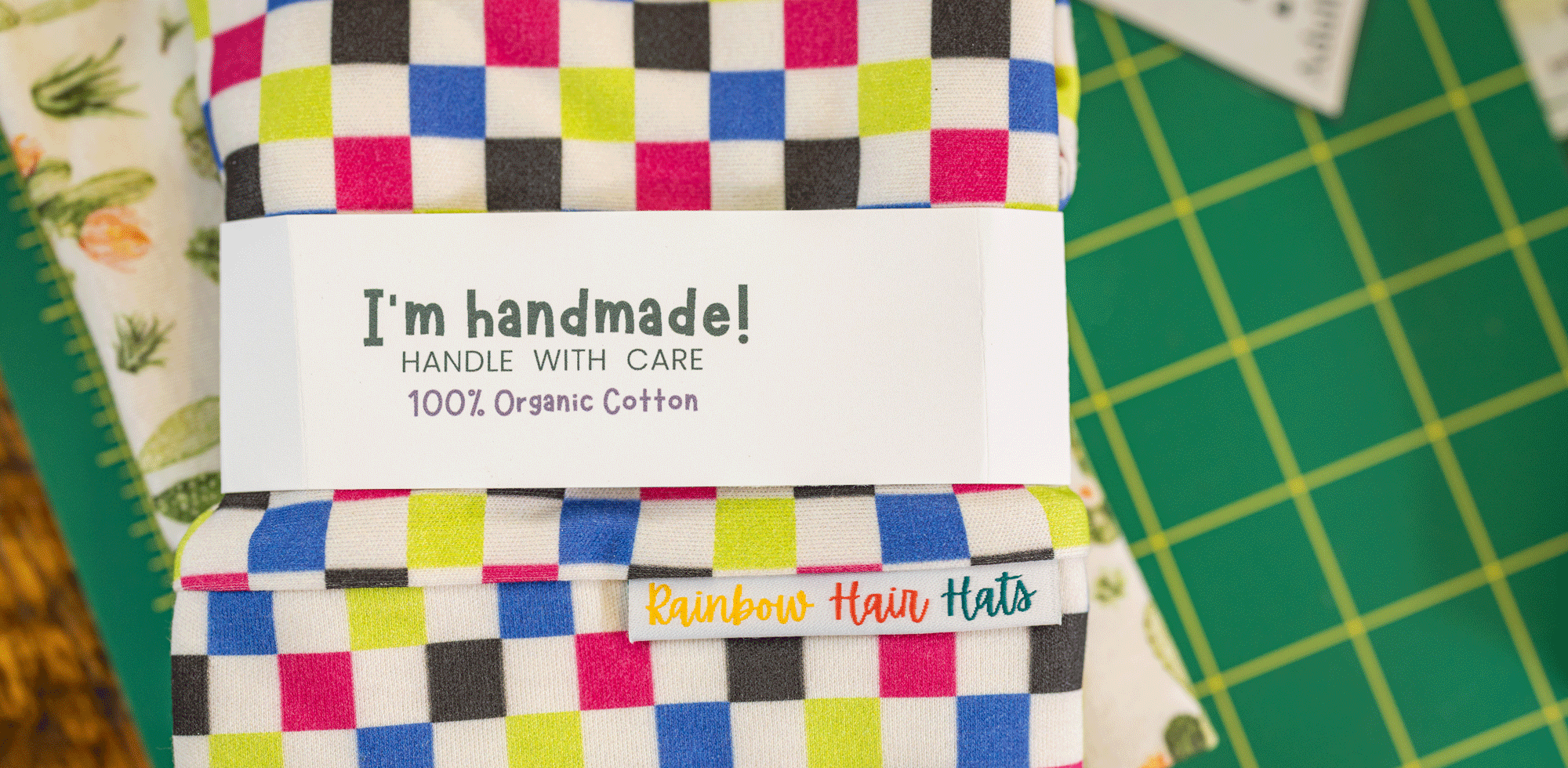
- Rainbow Hair Hats went through a half-dozen iterations before the current prototype was born. In late 2022, Finck launched a mission-based LLC that sells the hats for $50 each, with 80 percent of net profits going to support families facing similar challenges.
- As demand quickly outstripped what Finck could make on her own, an apparel designer in Parkers Prairie (Melissa DeWenter of Melissa Sue Designs) and a manufacturer in Minneapolis (Abby Hansen of Aletheia Design + Sewing Service) provided hat patterns and production.
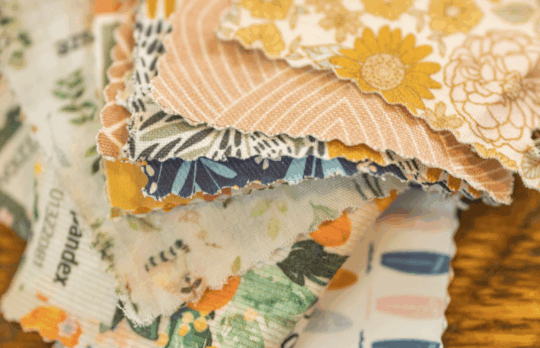
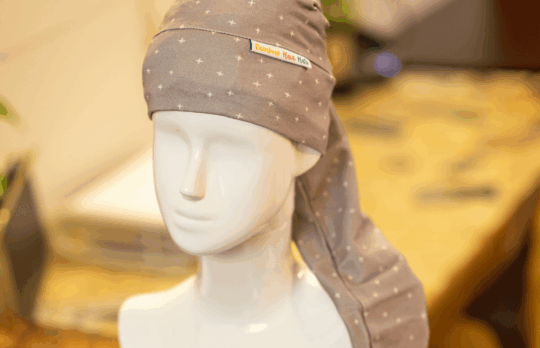
- To be easy on the skin and stretchable, the hats are made entirely of U.S.-milled organic cotton in three general sizes (infant, regular child/adult, and large to accommodate braids, dreadlocks or voluminous hair). One piece of fabric makes up the body, a tubular design with openings through which the wires are pulled before they’re attached to the head. All that is sewn to a second piece of fabric, which makes up the top band. Once the wires are connected to the wearer, the hat can be pulled up to cover the head and neck. The EEG leads go down the back into a pack that the wearer can carry. Unlike other designs, Rainbow Hair Hats don’t use zippers, ties, snaps or magnets, making them more comfortable.
- The hats are made in gender-neutral colors and patterns. Future goals include developing a version that can be customized or personalized with Velcro badge and tag patterns that can be changed at the whim of the wearer.
- Finck is in the second half of a two-year Initiators Fellowship that provides a $30,000 annual stipend to grow her Verndale business through mentorship and training with others in a nine-person cohort that was selected from more than 100 Greater Minnesota applicants. Her goal is to mass-produce the hats at wholesale rates for nonprofits and hospitals around the world that work with the 1 in 26 people afflicted with epilepsy. She’s also striving to make the hats an insurance-covered item.
- Today, Espen is 9 years old and making steady progress, though the future remains murky. She continues to qualify for a state waiver that compensates her mother’s time, but Rainbow Hair Hats now gives Finck a professional purpose on top of her central identity as a parent of a child with special needs.
Related Stories
Coffee, Music and Community
B-Side Indie Music Café creates a welcoming all-ages community stage. Read More

Bear Paws Cultural Art
Students connect with community, culture as they make jingle dresses, moccasins—and do beadwork. Read More

Long Prairie Drive-in Theater
This magical Minnesota landmark makes it worth the drive to watch a movie. Read More