Camp’s Spirit Lives On
After selling its longtime property, One Heartland creates fund to ensure safe, affirming camp experiences for generations of kids.
By Lisa Meyers McClintick
Amy Acker loved everything about summer camp. She attended from age 9 to 16 and then spent the next four summers working as a counselor.
“Camp was a really instrumental part of my growing up,” said the Minneapolis mother of two, who believes many of her personal values were shaped by those YMCA experiences. While one of her children was able to attend a more traditional summer camp like his mother, she was hesitant when it came to her 17-year-old, Crow.
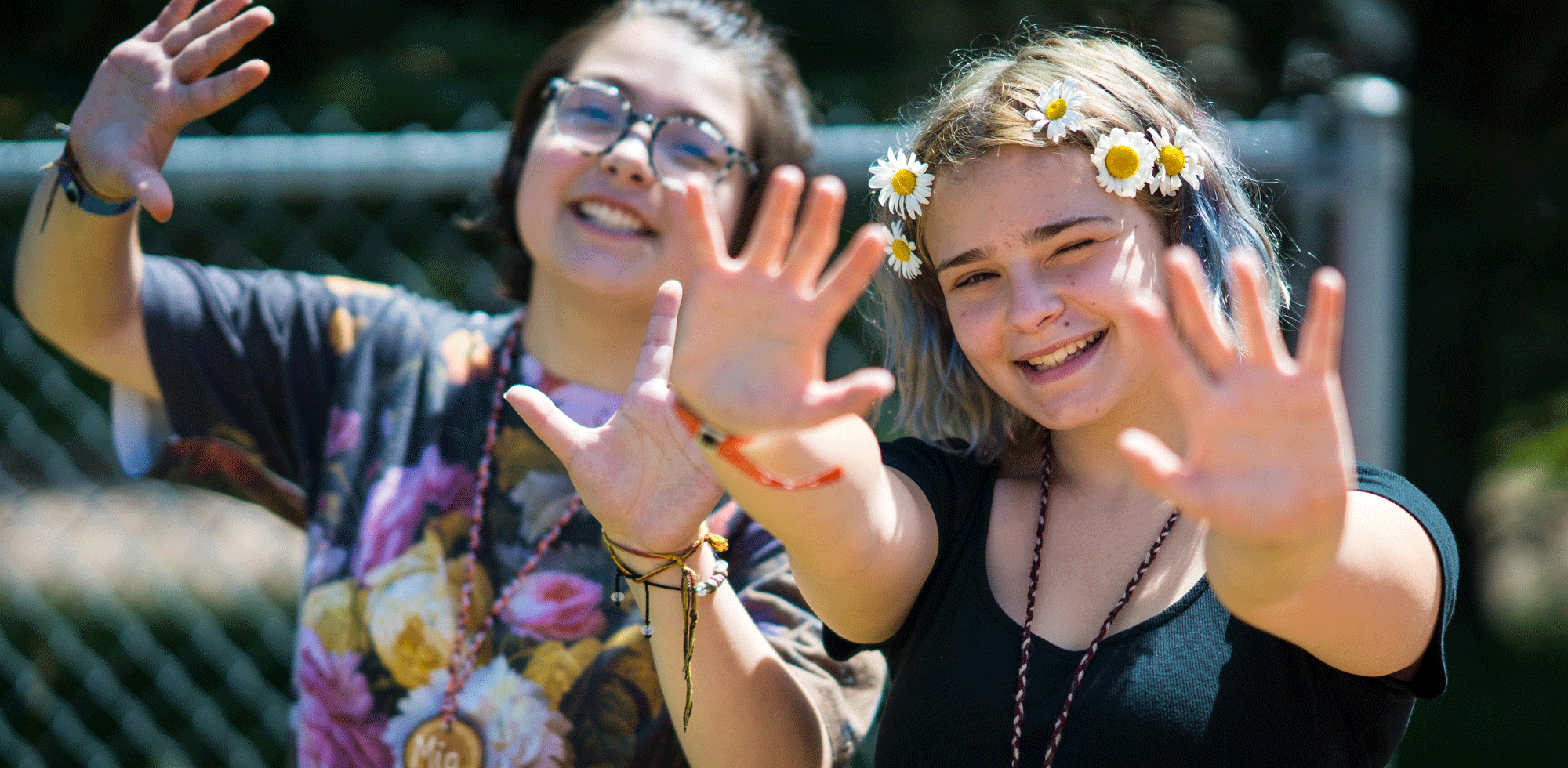
In 2021, Crow came out as transgender and was struggling with mental health issues. When Acker found Camp True Colors at One Heartland near Willow River, it provided just what Crow needed: a camp experience in a place that was welcoming and without judgment, understanding of LGBTQ struggles and able to provide an affirming sense of belonging and camaraderie with kids from around the country.
“It really did feel like a safe space and a bubble from the outside world where I could grow in confidence,” Crow said. In addition to the welcoming community he found at camp, he also appreciated the adult role models who had been on their own journeys and had landed in a good place in life: “It gave me a lot of hope for the future,” Crow said.
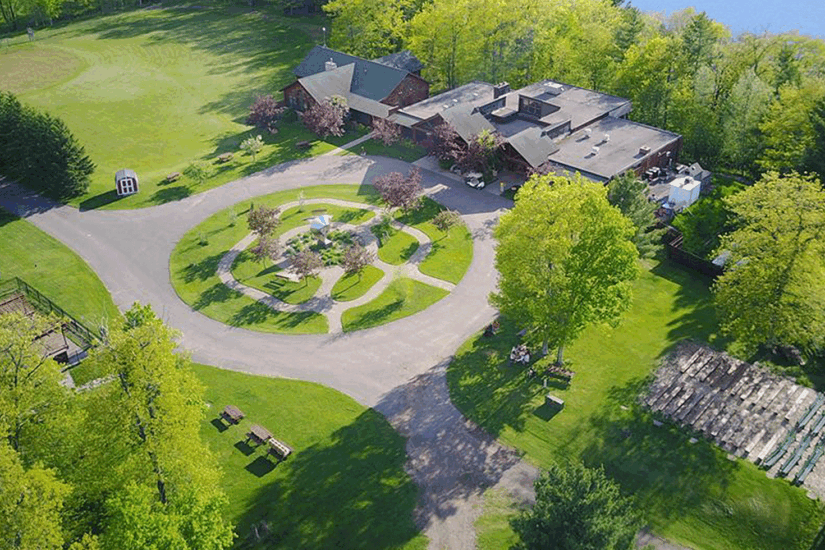
True Colors was one of many camps hosted at the 80-acre One Heartland, which started in 1993 as a summer camp and sanctuary for kids with HIV/AIDS. Additional camp sessions were set aside for kids with other struggles, such as chronic illness, homelessness, or being adopted, and who might benefit from time with peers away from daily challenges, and among adults able to support them both medically and emotionally.
Faced with declining demand for an HIV/AIDS-focused camp and ongoing challenges with fundraising and property upkeep in the wake of the pandemic, One Heartland made a pivotal decision. The nonprofit sold its 80-acre camp, located just west of Willow River in Pine County, to a Twin Cities church in May 2025 and chose a new path to continue its mission. Proceeds from the sale helped establish a $1.3 million Partner Fund with the Initiative Foundation to support safe and inclusive camp experiences for kids.
“All of our camps were really to bring kids together who might not be able to be with kids in similar circumstances,” said Patrick Kindler, former One Heartland executive director who is helping to guide the transition. “When you bring them all together, there’s this power in it. It’s amazing to see how it affects kids.”
Needs, funding change
Some view One Heartland’s closure not as a loss, but as a milestone victory. Thanks to advances in medication, the risk of an infant contracting HIV during pregnancy, birth or breastfeeding has dropped to less than 1 percent. In 2021, the U.S. Centers for Disease Control and Prevention reported just 53 HIV diagnoses nationwide among children under 13—a striking contrast to the epidemic’s early days.
When the camp began, its founders wanted to give HIV/AIDS kids the best week of their lives in a joyful setting insulated from the stigma and social isolation of the disease. As medications transformed an HIV/AIDS diagnosis from a death sentence to a disease that can be managed, the camp pivoted toward teaching life skills and preparing kids for the future, Kindler explained.
For three decades, happy shrieks could be heard from the beach of what they nicknamed Noodle Lake, and up to 150 campers and 40 to 50 staffers roamed among cabins and the main lodge on the wooded property from mid-June through mid-August.
Kids from across the country found life-changing adventures at the camp, while their families took comfort knowing trained counselors could navigate complex physical and mental health needs, and medical staff were on hand for everything from daily medications to IV treatments.
Like the campers living with HIV/AIDS who came before them, many LGBTQ youth faced deep social isolation—ostracized by peers, shunned by their communities, and, in too many cases, rejected by their own families, said Kindler. Supporting them was a natural extension of One Heartland’s original mission.
One Heartland often covered camp expenses for kids through fundraisers and hundreds of contributors, including pop singer Cindy Lauper, whose “True Colors” song advocated for being your authentic self and inspired the LGBTQ camp name.
Safeguarding the mission
One Heartland reached out to the Initiative Foundation for a loan to prepare the camp to sell. It also decided to use the Initiative Foundation to set up a Partner Fund, which includes bookkeeping support, tax reporting, comprehensive financial management and providing advice as regional philanthropy experts, said Amy Gray, community philanthropy manager at the Initiative Foundation.
Kindler said the board is still deciding how to carry One Heartland’s mission forward without a physical camp. Ideas include offering scholarships for kids to attend specialized camps elsewhere or funding training for camp counselors.
Acker, who served on the One Heartland board until earlier this year, said one option is to help mainstream camps add an LGBTQ-focused week. Another approach is to share the nonprofit’s expertise, enabling mainstream camps to better support and affirm LGBTQ youth.
For Acker’s son Crow, three summers at True Colors gave him the skills he needed as a transgender youth to speak up, be a better self-advocate and to navigate negative encounters. Those skills and strengthened confidence allowed him to attend an all-state choir camp, something he said he’s eager to experience again.
“This fund is going to set One Heartland up for success as they continue their work to support kids of all backgrounds,” Gray said. “It opens them up to a flexible approach with a fund that will be available in perpetuity. That’s really significant.”
Kindler said One Heartland’s legacy will live on through the fund. “We’re sticking with the organization’s history when we decide what to do with the money, and that’s to provide kids who need it most with a safe camp to go to. As sad as it is that [One Heartland] closed, it’s not over. These experiences will still be had.”